A Comprehensive Profile of Nyakinoni Archdeaconry
Diocese of Kinkiizi | Church of Uganda
1. Geographical Context & Administrative Structure
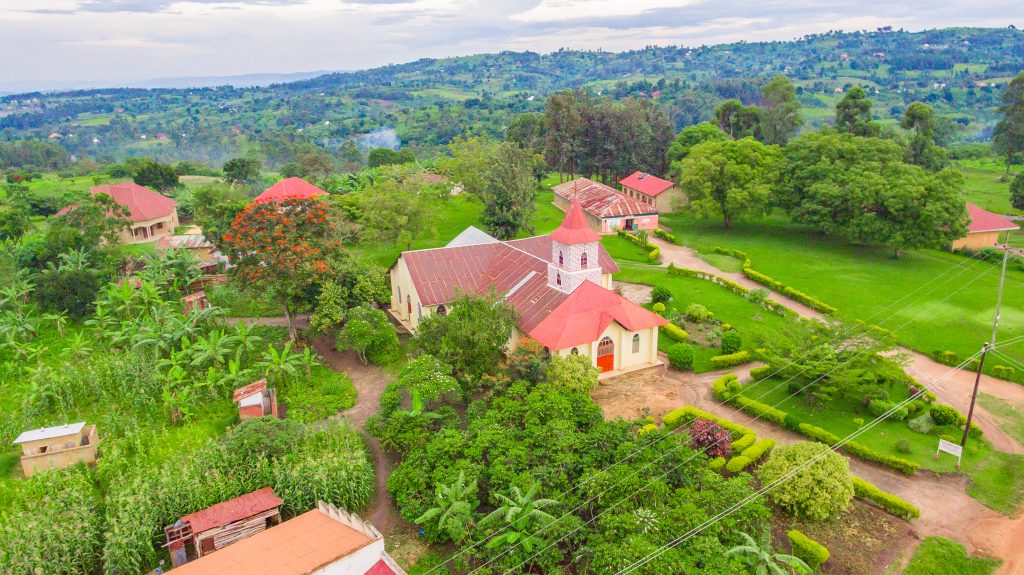
Nyakinoni Archdeaconry is an integral administrative and spiritual subdivision of the Diocese of Kinkiizi. Geographically, it is located approximately 25 kilometers from the Diocesan Headquarters. The Archdeaconry serves as a vital bridge connecting remote rural communities to the central diocese, ensuring the structured delivery of both spiritual ministry and social services.
Administrative Composition
The Archdeaconry is comprised of four distinct, legally designated Parishes. Each parish serves a cluster of local sub-parishes and sub-congregations (local churches):
- Nyakinoni Parish: Functions as the administrative seat (headquarters) of the Archdeaconry, hosting the Archdeacon’s office and residence.
- Karubeizi Parish: A vital pastoral zone driving local outreach.
- Kishuro Parish: An actively growing parish community focused on grassroots fellowship.
- Mpangango Parish: Extending the geographical and spiritual reach of the Archdeaconry.
- Rwangoboka Parish: Spiritual strengths empowering all inspirations
- Nyakinoni Secondary School -The renown Chinese Campus
2. Historical Evolution and Milestones
The institutional journey of Nyakinoni reflects decades of persistent faith, changing demographics, and structural transformation. Its evolution from a small clearing in the woods to a massive administrative hub is categorized by four major historical eras:
The Foundational Bush Church at Karonde
June 5, 1948
The ministry humble began at Karonde as a small grassroots prayer cell. At this stage, it operated as a basic bush church, providing localized spiritual refuge to the early converts in the area.
Strategic Relocation and Sub-Parish Status
1951
Recognizing the need for a more central and accessible location, the church body made a strategic decision to shift the ministry to its current site. Concurrently, the growing size of the congregation justified an institutional upgrade to a Sub-Parish level under parent oversight.
Attainment of Full Parish Status
1965
After fourteen years of robust local evangelism and community integration, Nyakinoni broke away from its parent church dependency to become a fully-fledged, autonomous Parish, receiving its very first resident Parish Priest.
Elevation to Archdeaconry Status
1986
In recognition of its vast geographic reach, explosive numerical growth, and exceptional leadership capability, the Diocese officially elevated Nyakinoni to the status of an Archdeaconry. This granted it direct administrative authority over surrounding parishes.
3. Demographics & Socio-Cultural Fabric
Population Metrics
According to the landmark 2011 church census, the Archdeaconry recorded a population of 7,727 registered Christians. Given natural population growth patterns and ongoing evangelical missions over the subsequent years, the active Christian community utilizing these spaces has expanded significantly.
Cultural & Tribal Harmony
The territory of the Archdeaconry is home to a rich, multicultural population. It is primarily inhabited by three distinct tribal groups who share deep historical ties to the region:
- The Bakiga: Historically known for their industrious farming practices and vibrant cultural expressions.
- The Bafumbira: Bringing distinct cultural traditions and agricultural expertise to the region.
- The Banyabutumbi: An indigenous community deeply rooted in the local history and landscape.
These groups coexist harmoniously, actively collaborating in church leadership, community development, and shared spiritual spaces.
Commercial Hubs
While the region is predominantly rural, local commerce and everyday interactions are anchored by three strategic trading centers:
- Kyepatiko
- Katete
- Katafari
These centers act as vital marketplaces where agricultural produce is traded, small businesses operate, and community members gather.
4. Socio-Economic Framework & Agriculture
The economic lifeblood of Nyakinoni is rooted firmly in subsistence and commercial agriculture. The fertile soils and favorable climate enable both cash-crop farming and food security initiatives.
Cash Crops (Economic Drivers)
- Coffee: The primary source of household income. Farmers process and sell coffee beans to buyers, driving external revenue into the local economy.
- Rice: Cultivated extensively in suitable lowlands and wetlands, serving as both a lucrative commercial commodity and a staple food.
Food Crops (Subsistence & Local Markets)
To ensure food security across households, the community cultivates a diverse array of crops, including:
- Grains & Cereals: Rice, millet, and maize.
- Legumes & Nuts: Groundnuts (peanuts) and beans.
- Starch Staples: Matooke (highland cooking bananas), cassava, sweet potatoes, and yams.
5. Community Infrastructure: Education & Health
The Archdeaconry views community development through a holistic lens, actively partnering with the government and foundation bodies to manage vital social infrastructure.
Educational Institutions
To secure the future of the youth and ensure accessible literacy, the area hosts:
- 6 Primary Schools: Forming the foundation of early childhood education and moral upbringing.
- 1 Secondary School: Providing crucial transitional education, preventing long-distance dropouts among local teenagers.
Healthcare Infrastructure
Health services are distributed across the territory to provide essential medical attention, maternal care, and immunizations through:
- 2 Health Centre IIs: Functioning as the first point of medical contact at the parish level, focusing on out-patient treatments and common illnesses.
- 1 Health Centre III: A larger facility equipped with a laboratory, maternity ward, and senior medical staff to handle admissions and minor complications.
6. Strategic Church Projects & Economic Empowerment
Nyakinoni Archdeaconry does not rely solely on offertory; it champions direct self-sustainability and community economic empowerment through targeted developmental projects:
- Afforestation Initiatives: Managing church-owned woodlots to combat environmental degradation, model climate stewardship, and create sustainable timber reserves.
- Commercial Coffee Farming: Utilizing church lands for extensive coffee plantation setups, creating a reliable, long-term internal revenue stream for the Archdeaconry.
- Community-Based SACCOs: Operating Savings and Credit Cooperative Organizations to provide low-interest loans, capital for small businesses, and structured financial literacy to Christians.
- Village Saving & Credit Associations (VSCAs): Grassroots, village-level banking cells that encourage a saving culture and financial resilience among rural women and youth.
- Infrastructure & Capital Development: Managing active construction projects, including the architectural expansion of local churches and the building of decent, modern residential houses for clergy and lay leaders.
7. Spiritual Worship & Pastoral Care Programs
The heartbeat of Nyakinoni is its highly organized, structured spiritual program designed to foster deep fellowship, individual discipleship, and continuous pastoral oversight.
Weekly Liturgical Schedule
- Sunday Services (Double Stream):
- Service 1 (English): Tailored for students, professionals, and visitors.
- Service 2 (Rukiga): A deeply expressive, culturally resonant service utilizing the native language.
- Weekly Fellowships: Every Tuesday and Thursday, creating intimate settings for Bible study, testimony, and corporate prayer.
Specialized Ministries & Evangelism
- Monthly Healing & Deliverance Ministry: A dedicated monthly encounter focusing on prayers for the brokenhearted, the sick, and those seeking spiritual breakthrough.
- Quarterly Mission Days: Executed once every three months, mobilizing Christians for outdoor evangelism, community service, and church planting.
Pastoral Care & Educational Outreach
- Holistic Pastoral Visitations: Systematically organized visits stretching beyond active churchgoers to encompass the elderly, the bedridden sick, and general families within their homes.
- School Chapel Ministries: Church leaders conduct mandatory weekly chapel services across all 7 schools, ensuring Christian values, mentorship, and counseling are deeply embedded in the educational curriculum.
8. Historical Succession Roll of Clergy (1965 – Present)
The spiritual and structural achievements of Nyakinoni have been guided by a succession of dedicated ordained leaders. Below is the comprehensive historical record of the clergy who have shepherd this community across over six decades:
| 1 | Rev. Kashambuzi Gershom | 1965 – 1972 | First resident Parish Priest; laid the structural foundation of the new parish. |
| 2 | Rev. Bitarabeho | 1972 – 1973 | Guided the church through a brief transitional pastoral period. |
| 3 | Rev. Nhakira Elinest | 1973 – 1978 | Oversaw steady expansion of ministries during a turbulent decade in Uganda. |
| 4 | Rev. Kabale Sadayo | 1978 – 1981 | Focused heavily on local evangelism and community reconciliation. |
| 5 | Rev. Katombozi Zabrone | 1981 – 1982 | Served a brief, impactful tenure focusing on spiritual revival. |
| 6 | Rev. Peter Kaleebya | 1982 – 1990 | Historic Leader: Entered as Parish Priest; successfully managed the transition to Archdeaconry status in 1986, becoming the 1st Archdeacon. |
| 7 | Rev. John Kilimani | 1990 – 1991 | Consolidated the administrative structures of the young Archdeaconry. |
| 8 | Rev. George Kurama | 1991 – 1996 | Led extensive post-elevation growth; managed multi-parish outreach. |
| 9 | Rev. Evas Kurama | 1991 – 1996 | Served alongside Rev. George as Assistant Pastor, focusing on family ministry. |
| 10 | Rev. David Keesiga | 1996 – 2003 | Championed structural upgrades and early educational partnerships. |
| 11 | Rev. John Begira | 1999 – 2003 | Assistant Pastor; strengthened youth ministries and school outreaches. |
| 12 | Rev. George Tumuramye | 2003 – 2008 | Initiated several agricultural and infrastructure enhancement plans. |
| 13 | Rev. Gideon Tuhirirwe | 2003 – 2008 | Assistant Pastor; heavily involved in local parish fellowships. |
| 14 | Rev. Johnson Turyagyenda | 2008 – 2009 | Managed institutional transitions and local community governance. |
| 15 | Rev. Robert Turyasingura | 2008 – 2009 | Assistant Pastor; coordinated rural outreach during a fast-paced transition year. |
| 16 | Rev. Sight Musinguzi | 2009 – 2014 | Championed early modern financial sustainability models and VSLA systems. |
| 17 | Rev. Can. James Munyambabazi | 2014 – 2018 | Leading modern expansion, afforestation, large-scale construction, and contemporary community health partnerships. |
| 18 | Ven. Can. Enos Mukombe | 2018 -2024 | Till his retirement, he was a faithful steward in this area |
| 19 | Ven. Can. Patrick Habasa | 2024-todate | This Systematic servant of God has established church administration systems that will steer constant Development in this archdeaconry |