A Comprehensive Profile of Nyamiyaga Archdeaconry
Diocese of Kinkiizi | Church of Uganda
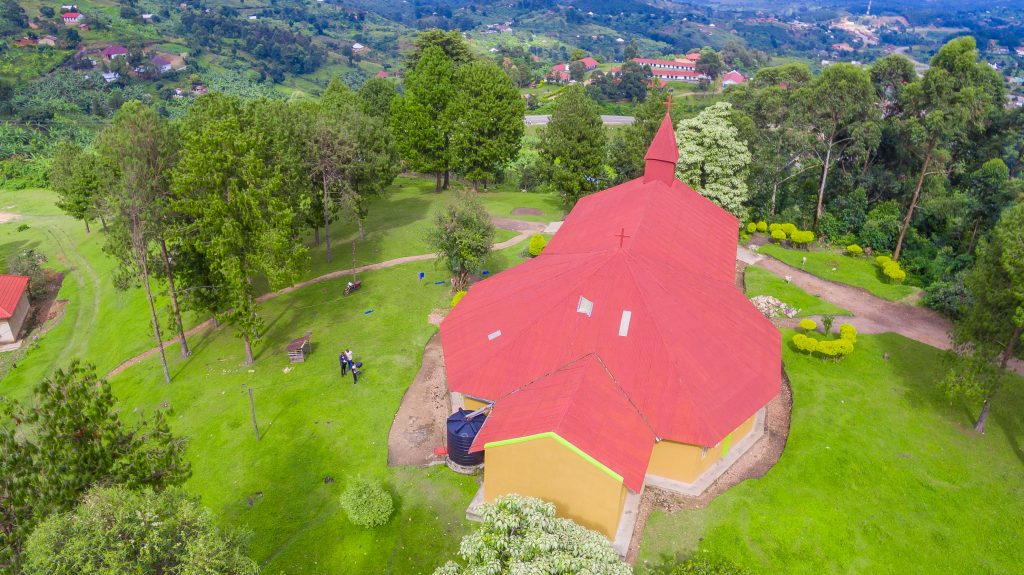
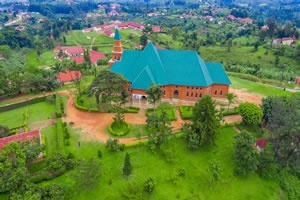
Nyamiyaga Archdeaconry stands as one of the fundamental and historically rich administrative blocks of the Diocese of Kinkiizi. Located in the unique, rolling transitional landscapes of Kanungu District—where the high mountainous peaks drop into the fertile agricultural valleys and borderlands—Nyamiyaga has long been a center for deep spiritual commitment, resilient rural evangelism, and community-driven development.
1. Historical Landscape and Context
The spiritual fabric of Nyamiyaga is intimately tied to the historic ripple effects of the East African Revival movement (Abalokole) that deeply reshaped Southwestern Uganda beginning in the late 1930s. Long before the formal inauguration of the Diocese of Kinkiizi on May 7, 1995, the territory of Nyamiyaga was an active theater of local outreach.
Early catechists and pioneer church families moved across these valleys, transforming local household settings into vibrant prayer structures. As a community, Nyamiyaga has consistently been defined by a deep culture of local persistence. Even during broad national challenges, the leadership and Christians here have historically demonstrated an unyielding commitment to the sanctuary—firmly believing that the local church is the primary assembly for family unity, moral upbringing, and societal support.
Over the years, a line of dedicated church administrators has guided Nyamiyaga through structural transformations, including notable figures such as Rev. Canon Patrick Habasa, who served faithfully as Archdeacon during pivotal periods of local administrative consolidation and community advocacy.
2. Parishes of the Archdeaconry: Strengths & Weaknesses
Nyamiyaga Archdeaconry coordinates multiple local parishes, each managing distinct sub-parishes and village congregations. Like any vibrant administrative framework, these parishes display unique institutional strengths alongside specific infrastructural challenges they continuously work to resolve.
A. Nyamiyaga Parish (The Archdeaconry Seat)
- Strengths: As the administrative headquarters, it boasts strong institutional organization and highly unified church councils. It serves as the model center for the Mother’s Union and Father’s Union networks, anchoring regional conventions, training local lay readers, and mobilizing financial stewardship across the territory.
- Weaknesses: Because it carries the centralized administrative weight of the entire Archdeaconry, its local resources are often stretched thin. The parish frequently faces the high financial strain of maintaining large-scale structures and funding administrative outreach to remote hill congregations.
B. Mpungu Parish
- Strengths: Blessed with an intensely passionate, grassroots Christian base, Karubeizi excels in cell-group fellowships and neighborhood evangelism. It has historically been a wellspring for active church choir groups and local youth mobilization programs that keep the liturgical life energetic.
- Weaknesses: Geographically remote pockets within the parish create communication and logistical barriers. Access to consistent modern transport infrastructure can limit the speed of community health monitoring and joint inter-church youth fellowships.
C. Mukono Parish
- Strengths: These parishes operate within highly fertile agricultural zones, giving them strong potential for localized agro-based development. The Christians possess a resilient spirit of self-sufficiency and are remarkably quick to contribute local materials (like sand, timber, and manual labor) for structural expansions.
- Weaknesses: They face a higher rate of seasonal economic volatility. Because household incomes are tied intimately to specific market harvest cycles, church collections can fluctuate dramatically during off-seasons, sometimes making it difficult to maintain a steady monthly cash flow for ongoing projects.
3. Socio-Economic Framework and Community Projects
The primary economic lifeblood of the Nyamiyaga area is agriculture. The fertile soils of the territory allow households to cultivate both crucial economic drivers and diverse nutritional crops:
- Cash Crops: Robust local investment in coffee growing and specialized lowland agricultural trade.
- Subsistence Food Crops: Extensive banana plantations (matooke), beans, cassava, groundnuts, sweet potatoes, and maize which secure food safety for local households.
Institutional Initiatives
To bridge the gap between spiritual and social welfare, the Archdeaconry actively engages in community projects designed to uplift local standards:
- Micro-Finance Mobilization: Partnering with village-level savings associations and church-linked credit frameworks to help smallholder farmers purchase seeds and secure capital for small business ventures.
- Education and Youth Advocacy: Directly supervising several church-founded primary schools, with a specific focus on increasing academic accountability, character building, and moral mentorship among the students.
- Health and Sanitation Networks: Working in tandem with the Diocesan health departments to promote household sanitation, clean water access, and preventative health awareness across rural sub-parishes.
4. Summary: The Ongoing Mission
Nyamiyaga Archdeaconry continues to progress following the ultimate Diocesan objective: delivering a holistic Gospel that speaks to both the soul and the physical well-being of the human being. By leveraging the deep, historic roots of their faith, navigating their structural weaknesses with communal unity, and pulling together resources across all parishes, the clergy and congregation of Nyamiyaga remain a vital, shining pillar within the Diocese of Kinkiizi.